Buy n4c.eu ?
We are moving the project
n4c.eu .
Are you interested in purchasing the domain
n4c.eu ?
domain@kv-gmbh.de · 0541-91531010
Buy n4c.eu ?
What is solar hydrogen technology?
Solar hydrogen technology is a process that uses solar energy to produce hydrogen gas through water electrolysis. This involves splitting water molecules into hydrogen and oxygen using electricity generated by solar panels. The hydrogen gas produced can then be stored and used as a clean and renewable energy source for various applications, such as fuel cells for vehicles or electricity generation. This technology is considered a promising solution for reducing greenhouse gas emissions and transitioning towards a more sustainable energy system. **
Do girls aged 8-9 years old already have smelly feet?
At 8-9 years old, girls are still in the early stages of puberty and their bodies are still developing. It is not common for girls of this age to have consistently smelly feet. However, it is important for them to practice good hygiene, such as washing their feet daily and wearing clean socks and shoes, to prevent any potential odor. If a child is experiencing consistently smelly feet, it may be a good idea to consult a pediatrician to rule out any underlying issues. **


Similar search terms for Costway-9-Feet-Solar
Top-Angebote
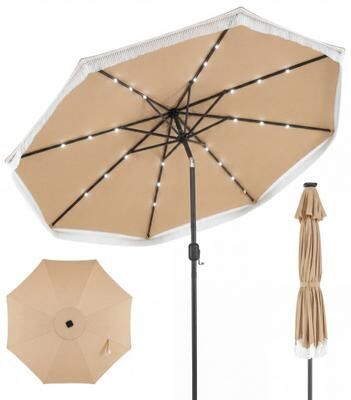
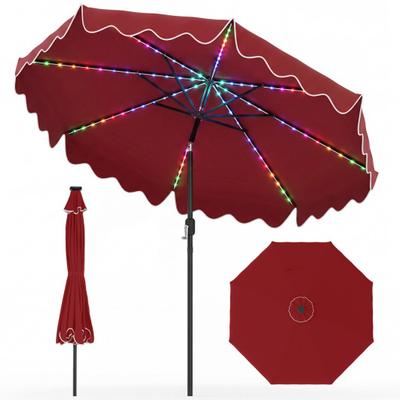
Products related to Costway-9-Feet-Solar:


-
What is solar energy and how is it used in solar technology?
Solar energy is the radiant light and heat from the sun that is harnessed using a range of technologies, such as solar panels, to generate electricity or heat water. Solar technology uses photovoltaic cells to convert sunlight into electricity, which can be used to power homes, businesses, and even entire cities. Additionally, solar thermal technology uses the sun's heat to generate steam, which can then be used to drive turbines and produce electricity. Overall, solar energy is a clean and renewable source of power that is increasingly being used to reduce reliance on fossil fuels and combat climate change. **
-
What is the deal with the solar cell efficiency when buying a solar module?
When buying a solar module, the solar cell efficiency is an important factor to consider. Solar cell efficiency refers to the amount of sunlight that a solar cell can convert into electricity. Higher efficiency solar cells will produce more electricity for the same amount of sunlight, leading to greater energy production from the solar module. While higher efficiency solar modules may come with a higher upfront cost, they can ultimately provide a better return on investment by generating more electricity over the lifetime of the system. Therefore, it's important to weigh the upfront cost against the long-term energy production when considering the solar cell efficiency of a solar module. **
-
How does the efficiency of solar cells differ?
The efficiency of solar cells can differ based on the type of technology used. For example, traditional silicon-based solar cells typically have an efficiency of around 15-20%, while newer, more advanced technologies such as thin-film solar cells or multi-junction solar cells can achieve efficiencies of 20-30% or even higher. Additionally, the efficiency of solar cells can also be influenced by factors such as the quality of materials used, the design of the cell, and the environmental conditions in which they operate. Overall, the efficiency of solar cells can vary widely depending on these factors, with some technologies being more efficient than others. **
-
How can technology be protected safely from solar storms?
Technology can be protected from solar storms by implementing shielding measures such as Faraday cages or metal enclosures to block electromagnetic radiation. Additionally, surge protectors and grounding systems can help to divert excess energy away from sensitive electronic equipment. Regular monitoring of solar activity and having a plan in place to shut down or disconnect critical systems during a solar storm can also help to minimize potential damage. Finally, investing in resilient technology designs that can withstand the impact of solar storms can provide an added layer of protection. **
How can one protect technology safely from solar storms?
One way to protect technology from solar storms is to use shielding materials that can block or absorb the harmful radiation and particles emitted by the sun during a solar storm. Another method is to design technology with built-in surge protection and shielding to minimize the impact of solar storm-induced power surges and electromagnetic interference. Additionally, having backup power sources and redundant systems in place can help mitigate the potential damage caused by solar storms. It is also important to regularly monitor solar activity and have contingency plans in place to safeguard technology during periods of heightened solar storm activity. **
Why is the 9 skipped in technology?
The skipping of the number 9 in technology is often attributed to programming conventions and historical reasons. In many programming languages, numbers are typically represented as integers starting from 0, so the counting sequence goes from 0 to 8. Additionally, some older systems reserved the number 9 for specific functions or error codes, leading to its exclusion as a regular numerical value in technology. This convention has persisted over time and has become a common practice in various technological applications. **
Top-Angebote
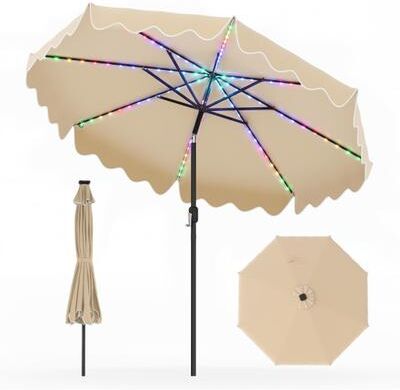
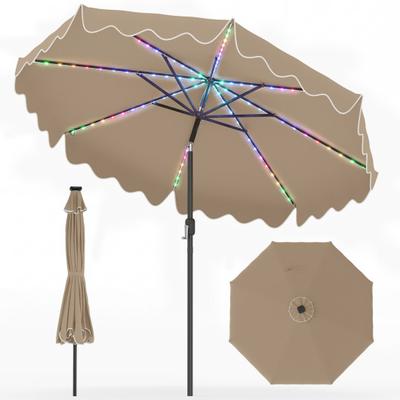
Products related to Costway-9-Feet-Solar:
-
What is solar hydrogen technology?
Solar hydrogen technology is a process that uses solar energy to produce hydrogen gas through water electrolysis. This involves splitting water molecules into hydrogen and oxygen using electricity generated by solar panels. The hydrogen gas produced can then be stored and used as a clean and renewable energy source for various applications, such as fuel cells for vehicles or electricity generation. This technology is considered a promising solution for reducing greenhouse gas emissions and transitioning towards a more sustainable energy system. **
-
Do girls aged 8-9 years old already have smelly feet?
At 8-9 years old, girls are still in the early stages of puberty and their bodies are still developing. It is not common for girls of this age to have consistently smelly feet. However, it is important for them to practice good hygiene, such as washing their feet daily and wearing clean socks and shoes, to prevent any potential odor. If a child is experiencing consistently smelly feet, it may be a good idea to consult a pediatrician to rule out any underlying issues. **
-
What is solar energy and how is it used in solar technology?
Solar energy is the radiant light and heat from the sun that is harnessed using a range of technologies, such as solar panels, to generate electricity or heat water. Solar technology uses photovoltaic cells to convert sunlight into electricity, which can be used to power homes, businesses, and even entire cities. Additionally, solar thermal technology uses the sun's heat to generate steam, which can then be used to drive turbines and produce electricity. Overall, solar energy is a clean and renewable source of power that is increasingly being used to reduce reliance on fossil fuels and combat climate change. **
-
What is the deal with the solar cell efficiency when buying a solar module?
When buying a solar module, the solar cell efficiency is an important factor to consider. Solar cell efficiency refers to the amount of sunlight that a solar cell can convert into electricity. Higher efficiency solar cells will produce more electricity for the same amount of sunlight, leading to greater energy production from the solar module. While higher efficiency solar modules may come with a higher upfront cost, they can ultimately provide a better return on investment by generating more electricity over the lifetime of the system. Therefore, it's important to weigh the upfront cost against the long-term energy production when considering the solar cell efficiency of a solar module. **
Similar search terms for Costway-9-Feet-Solar
-
How does the efficiency of solar cells differ?
The efficiency of solar cells can differ based on the type of technology used. For example, traditional silicon-based solar cells typically have an efficiency of around 15-20%, while newer, more advanced technologies such as thin-film solar cells or multi-junction solar cells can achieve efficiencies of 20-30% or even higher. Additionally, the efficiency of solar cells can also be influenced by factors such as the quality of materials used, the design of the cell, and the environmental conditions in which they operate. Overall, the efficiency of solar cells can vary widely depending on these factors, with some technologies being more efficient than others. **
-
How can technology be protected safely from solar storms?
Technology can be protected from solar storms by implementing shielding measures such as Faraday cages or metal enclosures to block electromagnetic radiation. Additionally, surge protectors and grounding systems can help to divert excess energy away from sensitive electronic equipment. Regular monitoring of solar activity and having a plan in place to shut down or disconnect critical systems during a solar storm can also help to minimize potential damage. Finally, investing in resilient technology designs that can withstand the impact of solar storms can provide an added layer of protection. **
-
How can one protect technology safely from solar storms?
One way to protect technology from solar storms is to use shielding materials that can block or absorb the harmful radiation and particles emitted by the sun during a solar storm. Another method is to design technology with built-in surge protection and shielding to minimize the impact of solar storm-induced power surges and electromagnetic interference. Additionally, having backup power sources and redundant systems in place can help mitigate the potential damage caused by solar storms. It is also important to regularly monitor solar activity and have contingency plans in place to safeguard technology during periods of heightened solar storm activity. **
-
Why is the 9 skipped in technology?
The skipping of the number 9 in technology is often attributed to programming conventions and historical reasons. In many programming languages, numbers are typically represented as integers starting from 0, so the counting sequence goes from 0 to 8. Additionally, some older systems reserved the number 9 for specific functions or error codes, leading to its exclusion as a regular numerical value in technology. This convention has persisted over time and has become a common practice in various technological applications. **
* All prices are inclusive of VAT and, if applicable, plus shipping costs. The offer information is based on the details provided by the respective shop and is updated through automated processes. Real-time updates do not occur, so deviations can occur in individual cases. ** Note: Parts of this content were created by AI.