Buy n4c.eu ?
We are moving the project
n4c.eu .
Are you interested in purchasing the domain
n4c.eu ?
domain@kv-gmbh.de · 0541-91531010
Buy n4c.eu ?
From mason to what?
From mason to architect. **
How is efficiency related to thermal energy?
Efficiency is related to thermal energy in the context of energy conversion processes. In many systems, thermal energy is used to produce work or electricity. The efficiency of these systems is a measure of how much of the thermal energy input is converted into useful work or electricity. Higher efficiency means that more of the thermal energy is being effectively utilized, while lower efficiency indicates that more of the thermal energy is being wasted as heat. **

Similar search terms for DriftAway-Mason-Geometric-Thermal
Top-Angebote
Products related to DriftAway-Mason-Geometric-Thermal:
-
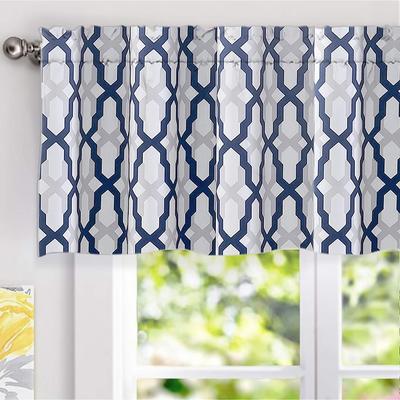
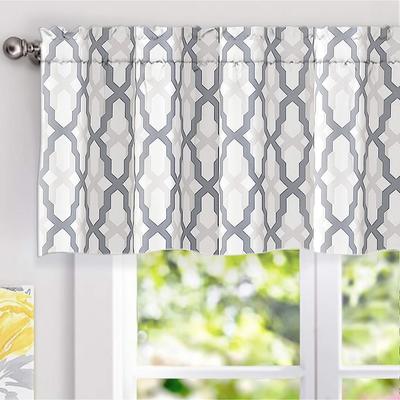
"DriftAway Mason Geometric Trellis Pattern Window Curtain Valance Rod Pocket - 52"" width x 14 "" length - 52"" width x 14 "" length"These simple geo trellis printed valances provide a modern elegant look, and are perfect for living room, bedroom, dining room, kids room or any indoor and outdoor space of your home.24,35 $*Shipping: 0,00 $Secure redirect to the provider


-
How is the efficiency related to thermal energy?
Efficiency is related to thermal energy in the context of energy conversion processes. The efficiency of a system or process is a measure of how much useful work or energy output is obtained compared to the total energy input. In the context of thermal energy, the efficiency of a system such as a power plant or an engine is a measure of how effectively it can convert thermal energy into useful work. Higher efficiency means that a greater proportion of the thermal energy input is being converted into useful work, while lower efficiency means that more of the thermal energy is being wasted as heat. Therefore, the relationship between efficiency and thermal energy is crucial in determining the overall performance and effectiveness of energy conversion processes. **
-
What efficiency does a thermal power plant have?
A thermal power plant typically has an efficiency ranging from 30% to 40%. This means that only 30-40% of the energy from the fuel is converted into electricity, while the rest is lost as waste heat. Improving the efficiency of thermal power plants is a key focus for reducing greenhouse gas emissions and increasing energy sustainability. Various technologies and strategies, such as combined heat and power systems, can help increase the efficiency of thermal power plants. **
-
What are geometric patterns?
Geometric patterns are repetitive designs or motifs that are created using geometric shapes such as lines, circles, triangles, squares, and other geometric elements. These patterns can be found in various forms of art, architecture, textiles, and nature. Geometric patterns are characterized by their symmetry, order, and precision, and they are often used to create visually appealing and harmonious compositions. **
-
What are geometric quantities?
Geometric quantities are measurements or properties of geometric figures or shapes. These quantities can include length, area, volume, angles, and curvature. They are used to describe and analyze the characteristics of geometric objects in mathematics and physics. Geometric quantities play a crucial role in various fields such as engineering, architecture, and computer graphics. **


What is the efficiency of a thermal power plant?
The efficiency of a thermal power plant refers to the ratio of the electrical energy output to the heat energy input. It is a measure of how effectively the plant converts heat energy into electrical energy. A higher efficiency means that the plant is able to generate more electricity with the same amount of fuel, resulting in lower fuel consumption and reduced environmental impact. Improving the efficiency of thermal power plants is an important goal for reducing greenhouse gas emissions and increasing energy sustainability. **
How do you calculate the efficiency of thermal energy?
The efficiency of thermal energy can be calculated by dividing the useful output of energy (such as work or electricity) by the total input of energy. This can be expressed as a percentage by multiplying the result by 100. For example, if a power plant converts 40% of the thermal energy from burning coal into electricity, the efficiency of thermal energy conversion would be 40%. This calculation helps to assess how effectively thermal energy is being converted into useful forms of energy. **
Top-Angebote
Products related to DriftAway-Mason-Geometric-Thermal:
-
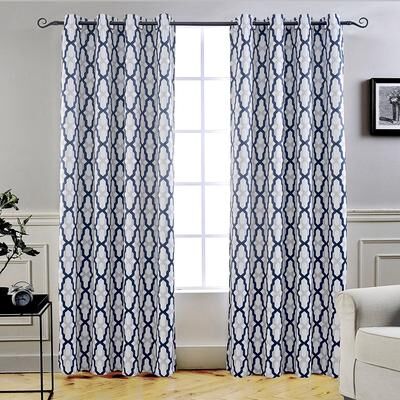
DriftAway Mason Geometric Thermal Insulated Blackout Grommet Window Curtains Panel Pair - 52x 96DriftAway Mason Geometric Trellis Pattern Thermal Insulated Blackout Grommet Window Curtains 2 Panels Each Size 52 Inch by 96 Inch Navy These simple geo trellis printed woven thermal insulated grommet top drapes provide a modern elegant look, and are…42,93 $*Shipping: 0,00 $Secure redirect to the provider
-
"DriftAway Mason Geometric Trellis Pattern Window Curtain Valance Rod Pocket - 52"" width x 14 "" length - 52"" width x 14 "" length"These simple geo trellis printed valances provide a modern elegant look, and are perfect for living room, bedroom, dining room, kids room or any indoor and outdoor space of your home.24,35 $*Shipping: 0,00 $Secure redirect to the provider
-
From mason to what?
From mason to architect. **
-
How is efficiency related to thermal energy?
Efficiency is related to thermal energy in the context of energy conversion processes. In many systems, thermal energy is used to produce work or electricity. The efficiency of these systems is a measure of how much of the thermal energy input is converted into useful work or electricity. Higher efficiency means that more of the thermal energy is being effectively utilized, while lower efficiency indicates that more of the thermal energy is being wasted as heat. **
-
How is the efficiency related to thermal energy?
Efficiency is related to thermal energy in the context of energy conversion processes. The efficiency of a system or process is a measure of how much useful work or energy output is obtained compared to the total energy input. In the context of thermal energy, the efficiency of a system such as a power plant or an engine is a measure of how effectively it can convert thermal energy into useful work. Higher efficiency means that a greater proportion of the thermal energy input is being converted into useful work, while lower efficiency means that more of the thermal energy is being wasted as heat. Therefore, the relationship between efficiency and thermal energy is crucial in determining the overall performance and effectiveness of energy conversion processes. **
-
What efficiency does a thermal power plant have?
A thermal power plant typically has an efficiency ranging from 30% to 40%. This means that only 30-40% of the energy from the fuel is converted into electricity, while the rest is lost as waste heat. Improving the efficiency of thermal power plants is a key focus for reducing greenhouse gas emissions and increasing energy sustainability. Various technologies and strategies, such as combined heat and power systems, can help increase the efficiency of thermal power plants. **
Similar search terms for DriftAway-Mason-Geometric-Thermal
-
What are geometric patterns?
Geometric patterns are repetitive designs or motifs that are created using geometric shapes such as lines, circles, triangles, squares, and other geometric elements. These patterns can be found in various forms of art, architecture, textiles, and nature. Geometric patterns are characterized by their symmetry, order, and precision, and they are often used to create visually appealing and harmonious compositions. **
-
What are geometric quantities?
Geometric quantities are measurements or properties of geometric figures or shapes. These quantities can include length, area, volume, angles, and curvature. They are used to describe and analyze the characteristics of geometric objects in mathematics and physics. Geometric quantities play a crucial role in various fields such as engineering, architecture, and computer graphics. **
-
What is the efficiency of a thermal power plant?
The efficiency of a thermal power plant refers to the ratio of the electrical energy output to the heat energy input. It is a measure of how effectively the plant converts heat energy into electrical energy. A higher efficiency means that the plant is able to generate more electricity with the same amount of fuel, resulting in lower fuel consumption and reduced environmental impact. Improving the efficiency of thermal power plants is an important goal for reducing greenhouse gas emissions and increasing energy sustainability. **
-
How do you calculate the efficiency of thermal energy?
The efficiency of thermal energy can be calculated by dividing the useful output of energy (such as work or electricity) by the total input of energy. This can be expressed as a percentage by multiplying the result by 100. For example, if a power plant converts 40% of the thermal energy from burning coal into electricity, the efficiency of thermal energy conversion would be 40%. This calculation helps to assess how effectively thermal energy is being converted into useful forms of energy. **
* All prices are inclusive of VAT and, if applicable, plus shipping costs. The offer information is based on the details provided by the respective shop and is updated through automated processes. Real-time updates do not occur, so deviations can occur in individual cases. ** Note: Parts of this content were created by AI.