Buy n4c.eu ?
We are moving the project
n4c.eu .
Are you interested in purchasing the domain
n4c.eu ?
domain@kv-gmbh.de · 0541-91531010
Buy n4c.eu ?
What is energy efficiency?
Energy efficiency refers to using less energy to perform the same task or function, ultimately reducing energy waste and lowering energy costs. This can be achieved through various methods such as using energy-efficient appliances, improving insulation in buildings, and implementing energy-saving practices in industrial processes. Energy efficiency is an important aspect of sustainable development and can help reduce greenhouse gas emissions and mitigate the impact of climate change. By improving energy efficiency, we can conserve natural resources and create a more sustainable and environmentally friendly energy system. **
What is the energy conversion and efficiency of geothermal energy?
Geothermal energy is the conversion of heat from within the Earth into electricity. This heat is used to generate steam, which then drives turbines connected to generators to produce electricity. The efficiency of geothermal energy conversion is relatively high, typically around 10-23%, which is comparable to other renewable energy sources such as wind and solar. This high efficiency makes geothermal energy a reliable and sustainable source of power. **

Similar search terms for ENERGY-NE00200-16-Tool
Top-Angebote
Products related to ENERGY-NE00200-16-Tool:

-
What is the energy efficiency class?
The energy efficiency class is a rating system that indicates how energy-efficient a product is. It is usually displayed as a letter ranging from A+++ (most efficient) to D (least efficient). This rating helps consumers make informed decisions about the energy consumption of a product, allowing them to choose more environmentally friendly options that can help reduce energy costs and minimize their carbon footprint. **
-
How can energy efficiency be improved?
Energy efficiency can be improved through various measures such as upgrading to energy-efficient appliances, improving insulation in buildings, using energy-efficient lighting, and implementing smart energy management systems. Additionally, promoting energy conservation behaviors such as turning off lights and unplugging electronics when not in use can also contribute to improved energy efficiency. Investing in renewable energy sources such as solar and wind power can further reduce the overall energy consumption and improve efficiency. Finally, government policies and incentives can play a crucial role in promoting energy efficiency by encouraging businesses and individuals to adopt energy-saving practices. **
-
Is energy efficiency class G acceptable?
Energy efficiency class G is the lowest rating on the energy efficiency scale, indicating that the appliance is the least efficient in terms of energy consumption. While it may be acceptable in certain situations, such as for appliances that are used infrequently or for short periods of time, it is generally not recommended for everyday use. Choosing a higher energy efficiency class, such as A or B, can help reduce energy consumption and save on utility costs in the long run. **
-
What are energy efficiency classes 2?
Energy efficiency classes 2 refer to the second tier of energy efficiency ratings for appliances and products. These classes indicate that the product is more energy efficient than lower classes, resulting in lower energy consumption and cost savings for the user. Energy efficiency classes are typically labeled with letters, with A+++ being the most efficient and D being the least efficient. Choosing products with higher energy efficiency classes can help reduce energy consumption and environmental impact. **
Why are energy drinks for ages 16 and up?
Energy drinks are typically recommended for ages 16 and up because they contain high levels of caffeine and other stimulants that can have stronger effects on younger individuals. These drinks can potentially cause negative side effects such as increased heart rate, insomnia, and nervousness, which may be more pronounced in younger individuals whose bodies are still developing. Additionally, the high sugar content in energy drinks can also have negative impacts on the health of younger individuals, making it important to limit their consumption to older age groups. **
Why are energy drinks for ages 16 and above?
Energy drinks are typically recommended for individuals aged 16 and above because they contain high levels of caffeine and other stimulants that can have a stronger effect on younger individuals. Consuming large amounts of caffeine can have negative effects on the developing bodies and brains of younger individuals, including increased heart rate, anxiety, and disrupted sleep patterns. Therefore, it is generally advised that individuals under the age of 16 avoid consuming energy drinks to protect their health and well-being. **
Top-Angebote
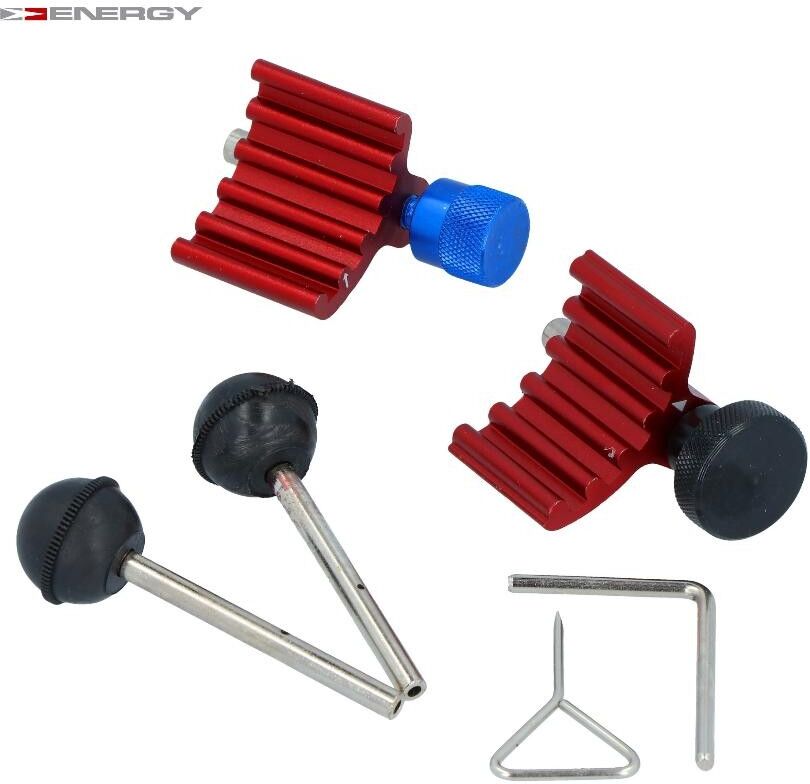
Products related to ENERGY-NE00200-16-Tool:
-
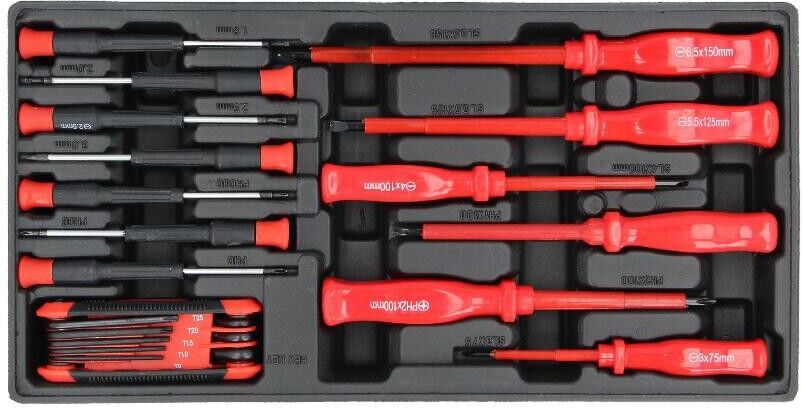
ENERGY NE00200/9 Tool ModuleNumber of tools: 14; Packaging: in plastic holder; Insulated: ; Bolt Head-/Nut Design: Phillips-head (PH), Slot, Torx; Spanner Size: Slotted:4x100 mm, 5.5x125 mm, 6.5x150 mm, 1.8 mm, 2 mm, 2.5 mm, 3 mm, Phillips:PH1x100, PH2x100, PH3x75, Torx:T9, T10, T15, T20, T25, T27, T30, T4018,49 £*Shipping: 8,45 £Secure redirect to the provider
-
What is energy efficiency?
Energy efficiency refers to using less energy to perform the same task or function, ultimately reducing energy waste and lowering energy costs. This can be achieved through various methods such as using energy-efficient appliances, improving insulation in buildings, and implementing energy-saving practices in industrial processes. Energy efficiency is an important aspect of sustainable development and can help reduce greenhouse gas emissions and mitigate the impact of climate change. By improving energy efficiency, we can conserve natural resources and create a more sustainable and environmentally friendly energy system. **
-
What is the energy conversion and efficiency of geothermal energy?
Geothermal energy is the conversion of heat from within the Earth into electricity. This heat is used to generate steam, which then drives turbines connected to generators to produce electricity. The efficiency of geothermal energy conversion is relatively high, typically around 10-23%, which is comparable to other renewable energy sources such as wind and solar. This high efficiency makes geothermal energy a reliable and sustainable source of power. **
-
What is the energy efficiency class?
The energy efficiency class is a rating system that indicates how energy-efficient a product is. It is usually displayed as a letter ranging from A+++ (most efficient) to D (least efficient). This rating helps consumers make informed decisions about the energy consumption of a product, allowing them to choose more environmentally friendly options that can help reduce energy costs and minimize their carbon footprint. **
-
How can energy efficiency be improved?
Energy efficiency can be improved through various measures such as upgrading to energy-efficient appliances, improving insulation in buildings, using energy-efficient lighting, and implementing smart energy management systems. Additionally, promoting energy conservation behaviors such as turning off lights and unplugging electronics when not in use can also contribute to improved energy efficiency. Investing in renewable energy sources such as solar and wind power can further reduce the overall energy consumption and improve efficiency. Finally, government policies and incentives can play a crucial role in promoting energy efficiency by encouraging businesses and individuals to adopt energy-saving practices. **
Similar search terms for ENERGY-NE00200-16-Tool
-
Is energy efficiency class G acceptable?
Energy efficiency class G is the lowest rating on the energy efficiency scale, indicating that the appliance is the least efficient in terms of energy consumption. While it may be acceptable in certain situations, such as for appliances that are used infrequently or for short periods of time, it is generally not recommended for everyday use. Choosing a higher energy efficiency class, such as A or B, can help reduce energy consumption and save on utility costs in the long run. **
-
What are energy efficiency classes 2?
Energy efficiency classes 2 refer to the second tier of energy efficiency ratings for appliances and products. These classes indicate that the product is more energy efficient than lower classes, resulting in lower energy consumption and cost savings for the user. Energy efficiency classes are typically labeled with letters, with A+++ being the most efficient and D being the least efficient. Choosing products with higher energy efficiency classes can help reduce energy consumption and environmental impact. **
-
Why are energy drinks for ages 16 and up?
Energy drinks are typically recommended for ages 16 and up because they contain high levels of caffeine and other stimulants that can have stronger effects on younger individuals. These drinks can potentially cause negative side effects such as increased heart rate, insomnia, and nervousness, which may be more pronounced in younger individuals whose bodies are still developing. Additionally, the high sugar content in energy drinks can also have negative impacts on the health of younger individuals, making it important to limit their consumption to older age groups. **
-
Why are energy drinks for ages 16 and above?
Energy drinks are typically recommended for individuals aged 16 and above because they contain high levels of caffeine and other stimulants that can have a stronger effect on younger individuals. Consuming large amounts of caffeine can have negative effects on the developing bodies and brains of younger individuals, including increased heart rate, anxiety, and disrupted sleep patterns. Therefore, it is generally advised that individuals under the age of 16 avoid consuming energy drinks to protect their health and well-being. **
* All prices are inclusive of VAT and, if applicable, plus shipping costs. The offer information is based on the details provided by the respective shop and is updated through automated processes. Real-time updates do not occur, so deviations can occur in individual cases. ** Note: Parts of this content were created by AI.