Buy n4c.eu ?
We are moving the project
n4c.eu .
Are you interested in purchasing the domain
n4c.eu ?
domain@kv-gmbh.de · 0541-91531010
Buy n4c.eu ?
How do I update a JPanel?
To update a JPanel, you can call the `repaint()` method on the panel. This will schedule a call to the panel's `paintComponent()` method, which will then redraw the panel. If you need to update the contents of the panel, you can modify the data that the panel uses to render itself, and then call `repaint()` to trigger a redraw. Additionally, you can also call `revalidate()` on the panel if you have added or removed components from it, to ensure that the layout is updated correctly. **
What is JPanel used for in Java?
JPanel is a Swing component in Java that is used to group and organize other components, such as buttons, labels, text fields, etc., within a container. It provides a way to manage the layout of these components and customize their appearance. JPanel is commonly used to create panels or sections within a graphical user interface, allowing for better organization and structure of the user interface components. **
Similar search terms for JPanel
Top-Angebote
Products related to JPanel:
-
Sesderma Reti Age 5 Liposomal Serum Anti-Aging Innovation 30mLA facial serum for wrinkles and signs of ageing. Reduces wrinkles and fine lines. Hydrates and strengthens barrier. Restores youthful radiance. 5-Retinoid System: smooths wrinkles, accelerates renewal, and boosts collagen. Biomimetic Peptides: fill expression lines by stimulating collagen synthesis.41,21 £*Shipping: 5,28 £Secure redirect to the provider
-
Uplift Essentials Armband Heart Rate Monitor With Bluetooth 5.0 And ANT+ Connectivity Armband Heart Rate Monitor With Bluetooth 5.0 And ANT+ ConnectivityTrain smarter and safer with this armband heart rate monitor featuring accurate optical HR tracking, calorie burn monitoring, and heart rate zone feedback. Designed for fitness enthusiasts, cyclists, and athletes, this device connects seamlessly to...126,97 $*Shipping: 0,00 $Secure redirect to the provider
-
Innovation: Fourth Edition Board Game by Asmadi Games for 2-4 PlayersInnovation: Fourth Edition is a strategic card game for 2–4 players. Build a civilization through ideas, inventions, and cultural advances by developing technologies and sharing achievements. Each card can provide different benefits depending on how it's used, creating varied strategies and unexpected shifts throughout the game. This edition includes updated artwork and streamlined rules for the expansions, as well as Age 11 cards for each set and the new expansion, The Unseen, which adds further possibilities to the core experience. With hundreds of cards and numerous combinations, every game can unfold differently.19,09 £*Shipping: 3,95 £Secure redirect to the provider
-
HARPERCOLLINS Creative Confidence by Tom & David Kelley – Unleashing Your Creative Potential & Innovation MindsetA powerful and inspiring book from the founders of IDEO, the award-winning design firm, on unleashing the creativity that lies within each and every one of us. Too often, companies and individuals assume that creativity and innovation are the domain of the ‘creative types’. But two of the foremost experts in innovation, design and creativity on the planet show us that each and every one of us is creative. In an entertaining and inspiring narrative that draws on countless stories from their work at IDEO, and with many of the world's top companies and design firms, David and Tom Kelley identify the principles and strategies that will allow us to tap into our creative potential in our work lives, and in our personal lives, allow us to think outside the box in terms of how we approach and solve problems. ‘Creative Confidence’ is a book that will help each of us be more productive and successful in our lives and in our careers.4,95 £*Shipping: 1,99 £Secure redirect to the provider




-
What is a background image for a JPanel?
A background image for a JPanel is an image that is displayed behind the components of the JPanel. It can be used to enhance the visual appearance of the panel and create a more immersive user interface. The background image can be set using the setOpaque(false) method to make the panel transparent and then adding the image as the background using the setIcon() method of a JLabel. This allows for customization and personalization of the JPanel to better suit the application's design. **
-
How do you create a JPanel with Eclipse?
To create a JPanel with Eclipse, you can follow these steps: 1. Open Eclipse and create a new Java project. 2. Right-click on the src folder in the project explorer and select New -> Class. 3. In the New Java Class dialog, give your class a name and check the box that says "public static void main(String[] args)". 4. Click Finish to create the class. Inside the class, you can create a JPanel object by importing javax.swing.JPanel and instantiating it in the main method. 5. You can then add components to the JPanel and customize its appearance as needed. **
-
How do I position an image in a JPanel?
To position an image in a JPanel, you can use a layout manager such as BorderLayout, FlowLayout, or GridBagLayout to control the position of the image within the panel. You can also set the preferred size of the image using the setPreferredSize() method and then add the image to the panel using the add() method. Additionally, you can use the setBounds() method to specify the exact position and size of the image within the panel. **
-
What is the purpose of using JPanel in Java?
The purpose of using JPanel in Java is to provide a container for organizing and grouping components within a graphical user interface. It allows for the creation of complex layouts by adding and arranging various components such as buttons, labels, text fields, and other GUI elements. JPanel also enables the creation of custom components and provides a way to manage their appearance and behavior. Overall, JPanel helps in creating a more organized and visually appealing user interface for Java applications. **


How do I change the size and position of the JPanel?
To change the size of a JPanel, you can use the `setSize(int width, int height)` method, where you specify the desired width and height in pixels. To change the position of a JPanel within its container, you can use layout managers like BorderLayout, FlowLayout, GridLayout, etc., or set the location explicitly using `setLocation(int x, int y)` method. You can also use setBounds(int x, int y, int width, int height) to set both the size and position of the JPanel in one go. **
How can I attach a JPanel to the bottom of a JFrame or JDialog?
To attach a JPanel to the bottom of a JFrame or JDialog, you can use a BorderLayout manager. By default, a JFrame or JDialog uses a BorderLayout. You can add your JPanel to the SOUTH position of the BorderLayout using the add() method. This will automatically position the JPanel at the bottom of the frame or dialog. Additionally, you can customize the layout by using other layout managers or setting constraints for the components within the JPanel. **
Top-Angebote
Products related to JPanel:
-
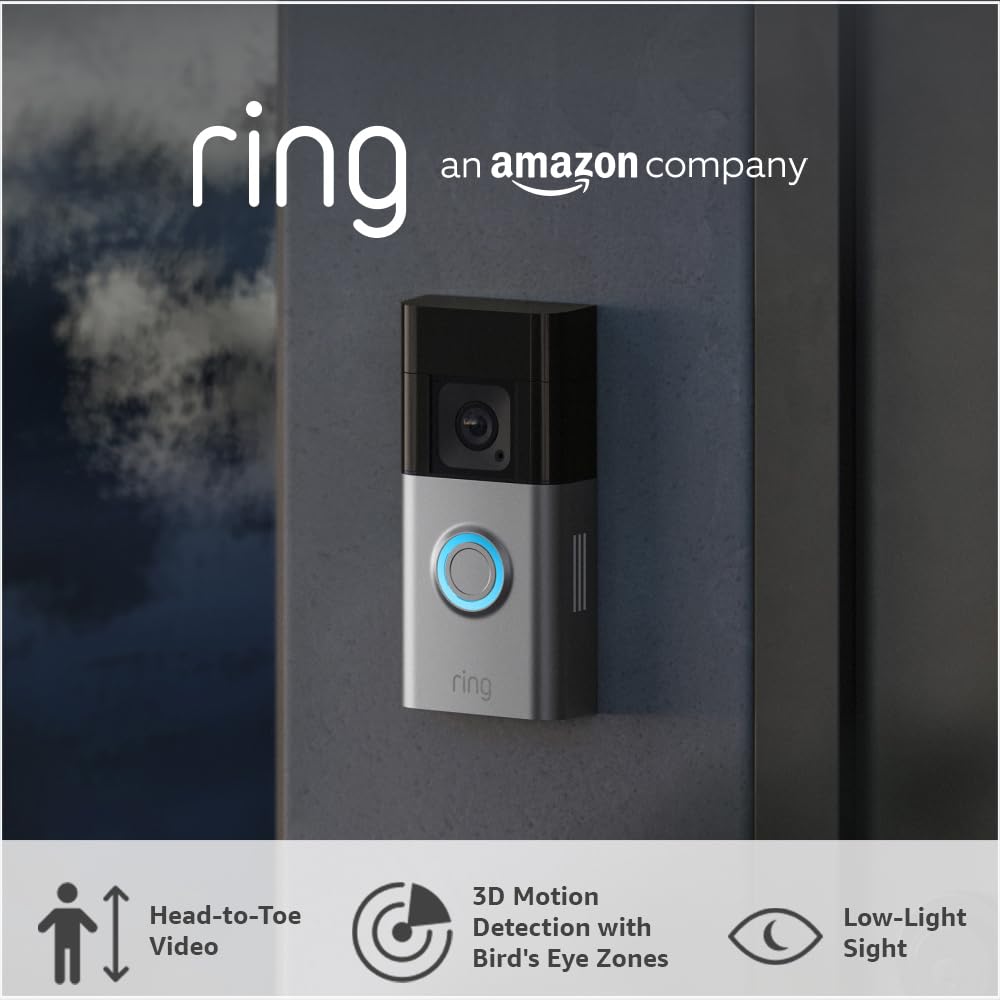
Ring Battery Video Doorbell Pro – Advanced Home Security & Connectivity, NewUpgrade your home security with the Ring Battery Video Doorbell Pro – Wireless Video Doorbell Security Camera . Designed to give you peace of mind, it delivers a head-to-toe 1536p HD view so you can see every detail clearly, from visitors to parcels at your doorstep. With advanced 3D Motion Detection and Bird’s Eye View , you’ll always know what’s happening around your home. The built-in colour night vision ensures crisp images even in the dark, while the wire-free battery design makes installation simple and flexible. Stay connected anywhere with instant notifications, two-way talk, and full integration with the Ring app, Alexa devices, and more. ✔️ Wireless video doorbell – Easy to install with a rechargeable battery, no wiring needed ✔️ 1536p HD head-to-toe view – See visitors and packages clearly in high definition ✔️ 3D Motion Detection & Bird’s Eye View – Advanced alerts and aerial perspective for extra security ✔️ Colour night vision – Crystal-clear video even in low light or darkness ✔️ Two-way talk with noise cancellation – Hear and speak to visitors in real time ✔️ Customisable motion zones – Focus on the areas that matter most ✔️ Smart alerts & notifications – Instant updates on your phone via the Ring app ✔️ Alexa compatible – Works seamlessly with Echo devices for hands-free monitoring ✔️ Quick-release battery pack – Easy to recharge and swap for uninterrupted security ✔️ Durable design – Built to withstand outdoor weather conditions The Ring Battery Video Doorbell Pro combines advanced motion detection, high-definition video, and smart home integration in one sleek device. Perfect for enhancing your home security, it ensures you never miss a visitor or delivery, day or night.174,49 £*Shipping: 0,00 £Secure redirect to the provider
-
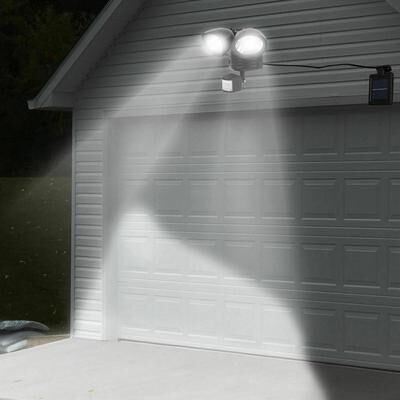
All Categories Goods LED Solar Security Light Dual Motion Sensor Outdoor Floodlight With LED Technology For Energy Efficient Illumination LED Solar Security Light Dual Motion Sensor Outdoor Floodlight With LED Technology For Energy Efficient IlluminationBrighten your outdoor space with the 1 pcs of 22 LED Solar Security Light, designed for maximum visibility and security. Powered by ecofriendly solar energy, this motion sensor floodlight activates when movement is detected, offering both...63,97 $*Shipping: 0,00 $Secure redirect to the provider
-
Sesderma Reti Age 5 Liposomal Serum Anti-Aging Innovation 30mLA facial serum for wrinkles and signs of ageing. Reduces wrinkles and fine lines. Hydrates and strengthens barrier. Restores youthful radiance. 5-Retinoid System: smooths wrinkles, accelerates renewal, and boosts collagen. Biomimetic Peptides: fill expression lines by stimulating collagen synthesis.41,21 £*Shipping: 5,28 £Secure redirect to the provider
-
Uplift Essentials Armband Heart Rate Monitor With Bluetooth 5.0 And ANT+ Connectivity Armband Heart Rate Monitor With Bluetooth 5.0 And ANT+ ConnectivityTrain smarter and safer with this armband heart rate monitor featuring accurate optical HR tracking, calorie burn monitoring, and heart rate zone feedback. Designed for fitness enthusiasts, cyclists, and athletes, this device connects seamlessly to...126,97 $*Shipping: 0,00 $Secure redirect to the provider
-
How do I update a JPanel?
To update a JPanel, you can call the `repaint()` method on the panel. This will schedule a call to the panel's `paintComponent()` method, which will then redraw the panel. If you need to update the contents of the panel, you can modify the data that the panel uses to render itself, and then call `repaint()` to trigger a redraw. Additionally, you can also call `revalidate()` on the panel if you have added or removed components from it, to ensure that the layout is updated correctly. **
-
What is JPanel used for in Java?
JPanel is a Swing component in Java that is used to group and organize other components, such as buttons, labels, text fields, etc., within a container. It provides a way to manage the layout of these components and customize their appearance. JPanel is commonly used to create panels or sections within a graphical user interface, allowing for better organization and structure of the user interface components. **
-
What is a background image for a JPanel?
A background image for a JPanel is an image that is displayed behind the components of the JPanel. It can be used to enhance the visual appearance of the panel and create a more immersive user interface. The background image can be set using the setOpaque(false) method to make the panel transparent and then adding the image as the background using the setIcon() method of a JLabel. This allows for customization and personalization of the JPanel to better suit the application's design. **
-
How do you create a JPanel with Eclipse?
To create a JPanel with Eclipse, you can follow these steps: 1. Open Eclipse and create a new Java project. 2. Right-click on the src folder in the project explorer and select New -> Class. 3. In the New Java Class dialog, give your class a name and check the box that says "public static void main(String[] args)". 4. Click Finish to create the class. Inside the class, you can create a JPanel object by importing javax.swing.JPanel and instantiating it in the main method. 5. You can then add components to the JPanel and customize its appearance as needed. **
Similar search terms for JPanel
-
Innovation: Fourth Edition Board Game by Asmadi Games for 2-4 PlayersInnovation: Fourth Edition is a strategic card game for 2–4 players. Build a civilization through ideas, inventions, and cultural advances by developing technologies and sharing achievements. Each card can provide different benefits depending on how it's used, creating varied strategies and unexpected shifts throughout the game. This edition includes updated artwork and streamlined rules for the expansions, as well as Age 11 cards for each set and the new expansion, The Unseen, which adds further possibilities to the core experience. With hundreds of cards and numerous combinations, every game can unfold differently.19,09 £*Shipping: 3,95 £Secure redirect to the provider
-
HARPERCOLLINS Creative Confidence by Tom & David Kelley – Unleashing Your Creative Potential & Innovation MindsetA powerful and inspiring book from the founders of IDEO, the award-winning design firm, on unleashing the creativity that lies within each and every one of us. Too often, companies and individuals assume that creativity and innovation are the domain of the ‘creative types’. But two of the foremost experts in innovation, design and creativity on the planet show us that each and every one of us is creative. In an entertaining and inspiring narrative that draws on countless stories from their work at IDEO, and with many of the world's top companies and design firms, David and Tom Kelley identify the principles and strategies that will allow us to tap into our creative potential in our work lives, and in our personal lives, allow us to think outside the box in terms of how we approach and solve problems. ‘Creative Confidence’ is a book that will help each of us be more productive and successful in our lives and in our careers.4,95 £*Shipping: 1,99 £Secure redirect to the provider
-
Uplift Essentials N50 High Efficiency Cat Litter Deodorizer Blocks N50 High Efficiency Cat Litter Deodorizer BlocksTake control of your homes air quality with the N50 cat litter deodorizer blocks. These professionalgrade odor eliminators are engineered to neutralize stubborn ammonia and waste smells at the source, rather than just masking them with heavy...142,97 $*Shipping: 0,00 $Secure redirect to the provider
-
Inspire Essentials COOSPO HW9 Armband Heart Rate Monitor With Bluetooth And ANT Plus Connectivity COOSPO HW9 Armband Heart Rate Monitor With Bluetooth And ANT Plus ConnectivityTake your training to the next level with the COOSPO HW9 heart rate monitor, a highperformance fitness tracker designed for accuracy, comfort, and versatility. This armband heart rate monitor delivers realtime heart rate, calories, and zone tracking...102,48 $*Shipping: 0,00 $Secure redirect to the provider
-
How do I position an image in a JPanel?
To position an image in a JPanel, you can use a layout manager such as BorderLayout, FlowLayout, or GridBagLayout to control the position of the image within the panel. You can also set the preferred size of the image using the setPreferredSize() method and then add the image to the panel using the add() method. Additionally, you can use the setBounds() method to specify the exact position and size of the image within the panel. **
-
What is the purpose of using JPanel in Java?
The purpose of using JPanel in Java is to provide a container for organizing and grouping components within a graphical user interface. It allows for the creation of complex layouts by adding and arranging various components such as buttons, labels, text fields, and other GUI elements. JPanel also enables the creation of custom components and provides a way to manage their appearance and behavior. Overall, JPanel helps in creating a more organized and visually appealing user interface for Java applications. **
-
How do I change the size and position of the JPanel?
To change the size of a JPanel, you can use the `setSize(int width, int height)` method, where you specify the desired width and height in pixels. To change the position of a JPanel within its container, you can use layout managers like BorderLayout, FlowLayout, GridLayout, etc., or set the location explicitly using `setLocation(int x, int y)` method. You can also use setBounds(int x, int y, int width, int height) to set both the size and position of the JPanel in one go. **
-
How can I attach a JPanel to the bottom of a JFrame or JDialog?
To attach a JPanel to the bottom of a JFrame or JDialog, you can use a BorderLayout manager. By default, a JFrame or JDialog uses a BorderLayout. You can add your JPanel to the SOUTH position of the BorderLayout using the add() method. This will automatically position the JPanel at the bottom of the frame or dialog. Additionally, you can customize the layout by using other layout managers or setting constraints for the components within the JPanel. **
* All prices are inclusive of VAT and, if applicable, plus shipping costs. The offer information is based on the details provided by the respective shop and is updated through automated processes. Real-time updates do not occur, so deviations can occur in individual cases. ** Note: Parts of this content were created by AI.