Buy n4c.eu ?
We are moving the project
n4c.eu .
Are you interested in purchasing the domain
n4c.eu ?
domain@kv-gmbh.de · 0541-91531010
Buy n4c.eu ?
Are berries long-chain or short-chain carbohydrates?
Berries are considered to be a source of short-chain carbohydrates. They contain natural sugars such as fructose, glucose, and sucrose, which are considered short-chain carbohydrates. These sugars are easily broken down and absorbed by the body, providing a quick source of energy. However, berries also contain fiber, which can help slow down the absorption of these sugars and provide a more sustained release of energy. **
What are long-chain alkanols?
Long-chain alkanols are organic compounds that belong to the alcohol family. They are characterized by having a long hydrocarbon chain (containing 12 or more carbon atoms) with a hydroxyl group (-OH) attached to one end. Long-chain alkanols can be found in natural sources such as waxes, fats, and oils, and they are commonly used in the production of cosmetics, pharmaceuticals, and surfactants due to their emollient and surfactant properties. **


Similar search terms for Long-chain
Top-Angebote
Products related to Long-chain:
-
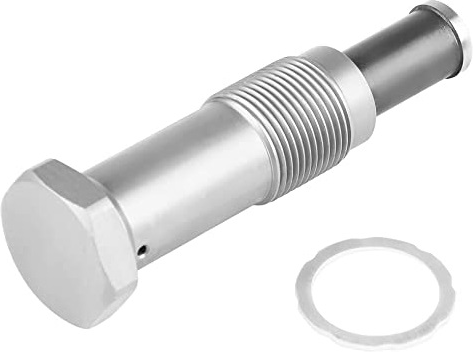
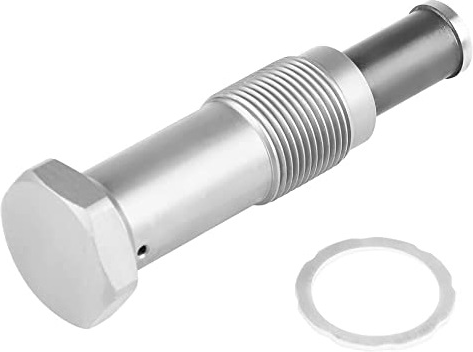
LASER TOOLS 5153 Chain Tensioner, timing chainMaterial: Steel; Colour: black; Number of Parts [parts]: 2; for OE number: 11 9 340; Manufactured in: Great Britain; only for article number: For Laser 5148&5149; TecDoc Engine Number: 20893, 24546, 25562, 34865, 24547, 2556335,99 £*Shipping: 8,45 £Secure redirect to the provider


-
When are alcohols long-chain and when are they short-chain?
Alcohols are considered long-chain when they have more than 12 carbon atoms in their structure. On the other hand, alcohols are classified as short-chain when they have fewer than 6 carbon atoms. Alcohols with 6 to 12 carbon atoms are typically referred to as medium-chain alcohols. The length of the carbon chain in alcohols can impact their physical and chemical properties, such as solubility, boiling point, and odor. **
-
What is the difference between short-chain and long-chain alcohols?
Short-chain alcohols have fewer carbon atoms (1-3) in their molecular structure, while long-chain alcohols have more carbon atoms (4 or more). Short-chain alcohols, such as methanol and ethanol, are more volatile and have a stronger odor, while long-chain alcohols, such as octanol and decanol, are less volatile and have a milder odor. Additionally, short-chain alcohols are more water-soluble, while long-chain alcohols are less soluble in water and more soluble in nonpolar solvents. **
-
Why are short-chain alkanes gaseous and long-chain alkanes solid?
Short-chain alkanes are gaseous at room temperature because they have weaker intermolecular forces, such as London dispersion forces, which allow the molecules to move freely and escape into the gas phase. In contrast, long-chain alkanes have stronger intermolecular forces due to the increased surface area for interactions, leading to a higher melting and boiling point, and making them solid at room temperature. The increased surface area allows for more opportunities for molecules to interact and form solid structures. **
-
Why are long-chain alkanes cracked?
Long-chain alkanes are cracked to produce shorter chain hydrocarbons such as alkenes and shorter chain alkanes. This process is important because shorter chain hydrocarbons are more valuable and have a wider range of applications in the petrochemical industry. Cracking also helps to increase the overall yield of valuable products from crude oil and natural gas. Additionally, cracking long-chain alkanes helps to balance the supply and demand of different hydrocarbon products in the market. **


Why are long-chain hydrocarbon molecules cracked?
Long-chain hydrocarbon molecules are cracked to break them down into smaller, more useful molecules such as gasoline, diesel, and other petroleum products. This process increases the yield of valuable products from crude oil and allows for better control over the composition of the final products. Cracking also helps to meet the demand for lighter hydrocarbons that are in higher demand for various industrial and consumer applications. **
How long does the timing chain last?
Timing chains are designed to last the lifetime of the vehicle. However, they can wear out over time due to factors such as lack of maintenance, poor lubrication, or excessive wear and tear. In general, a timing chain can last anywhere from 100,000 to 200,000 miles or more, but it is always recommended to follow the manufacturer's recommended maintenance schedule to ensure optimal performance and longevity. **
Top-Angebote
Products related to Long-chain:
-
Ring Battery Video Doorbell Pro – Advanced Home Security & Connectivity, NewUpgrade your home security with the Ring Battery Video Doorbell Pro – Wireless Video Doorbell Security Camera . Designed to give you peace of mind, it delivers a head-to-toe 1536p HD view so you can see every detail clearly, from visitors to parcels at your doorstep. With advanced 3D Motion Detection and Bird’s Eye View , you’ll always know what’s happening around your home. The built-in colour night vision ensures crisp images even in the dark, while the wire-free battery design makes installation simple and flexible. Stay connected anywhere with instant notifications, two-way talk, and full integration with the Ring app, Alexa devices, and more. ✔️ Wireless video doorbell – Easy to install with a rechargeable battery, no wiring needed ✔️ 1536p HD head-to-toe view – See visitors and packages clearly in high definition ✔️ 3D Motion Detection & Bird’s Eye View – Advanced alerts and aerial perspective for extra security ✔️ Colour night vision – Crystal-clear video even in low light or darkness ✔️ Two-way talk with noise cancellation – Hear and speak to visitors in real time ✔️ Customisable motion zones – Focus on the areas that matter most ✔️ Smart alerts & notifications – Instant updates on your phone via the Ring app ✔️ Alexa compatible – Works seamlessly with Echo devices for hands-free monitoring ✔️ Quick-release battery pack – Easy to recharge and swap for uninterrupted security ✔️ Durable design – Built to withstand outdoor weather conditions The Ring Battery Video Doorbell Pro combines advanced motion detection, high-definition video, and smart home integration in one sleek device. Perfect for enhancing your home security, it ensures you never miss a visitor or delivery, day or night.174,49 £*Shipping: 0,00 £Secure redirect to the provider
-
LASER TOOLS 5153 Chain Tensioner, timing chainMaterial: Steel; Colour: black; Number of Parts [parts]: 2; for OE number: 11 9 340; Manufactured in: Great Britain; only for article number: For Laser 5148&5149; TecDoc Engine Number: 20893, 24546, 25562, 34865, 24547, 2556335,99 £*Shipping: 8,45 £Secure redirect to the provider
-
Are berries long-chain or short-chain carbohydrates?
Berries are considered to be a source of short-chain carbohydrates. They contain natural sugars such as fructose, glucose, and sucrose, which are considered short-chain carbohydrates. These sugars are easily broken down and absorbed by the body, providing a quick source of energy. However, berries also contain fiber, which can help slow down the absorption of these sugars and provide a more sustained release of energy. **
-
What are long-chain alkanols?
Long-chain alkanols are organic compounds that belong to the alcohol family. They are characterized by having a long hydrocarbon chain (containing 12 or more carbon atoms) with a hydroxyl group (-OH) attached to one end. Long-chain alkanols can be found in natural sources such as waxes, fats, and oils, and they are commonly used in the production of cosmetics, pharmaceuticals, and surfactants due to their emollient and surfactant properties. **
-
When are alcohols long-chain and when are they short-chain?
Alcohols are considered long-chain when they have more than 12 carbon atoms in their structure. On the other hand, alcohols are classified as short-chain when they have fewer than 6 carbon atoms. Alcohols with 6 to 12 carbon atoms are typically referred to as medium-chain alcohols. The length of the carbon chain in alcohols can impact their physical and chemical properties, such as solubility, boiling point, and odor. **
-
What is the difference between short-chain and long-chain alcohols?
Short-chain alcohols have fewer carbon atoms (1-3) in their molecular structure, while long-chain alcohols have more carbon atoms (4 or more). Short-chain alcohols, such as methanol and ethanol, are more volatile and have a stronger odor, while long-chain alcohols, such as octanol and decanol, are less volatile and have a milder odor. Additionally, short-chain alcohols are more water-soluble, while long-chain alcohols are less soluble in water and more soluble in nonpolar solvents. **
Similar search terms for Long-chain
-
Garvee Heavy Duty 3 Ton Hand Chain Hoist – 6600 lbs Capacity Manual Chain Block – G80 Galvanized Chain, 10 FT LiftRobust 3 Ton Chain Hoist – Supports 6600 lbs with a 10 ft lift, ideal for warehouse, garage, and construction material handling. Enhanced Safety – Dual pawl mechanical brake system ensures secure, accurate load control and prevents accidental drops.99,99 $*Shipping: 0,00 $Secure redirect to the provider
-
Why are short-chain alkanes gaseous and long-chain alkanes solid?
Short-chain alkanes are gaseous at room temperature because they have weaker intermolecular forces, such as London dispersion forces, which allow the molecules to move freely and escape into the gas phase. In contrast, long-chain alkanes have stronger intermolecular forces due to the increased surface area for interactions, leading to a higher melting and boiling point, and making them solid at room temperature. The increased surface area allows for more opportunities for molecules to interact and form solid structures. **
-
Why are long-chain alkanes cracked?
Long-chain alkanes are cracked to produce shorter chain hydrocarbons such as alkenes and shorter chain alkanes. This process is important because shorter chain hydrocarbons are more valuable and have a wider range of applications in the petrochemical industry. Cracking also helps to increase the overall yield of valuable products from crude oil and natural gas. Additionally, cracking long-chain alkanes helps to balance the supply and demand of different hydrocarbon products in the market. **
-
Why are long-chain hydrocarbon molecules cracked?
Long-chain hydrocarbon molecules are cracked to break them down into smaller, more useful molecules such as gasoline, diesel, and other petroleum products. This process increases the yield of valuable products from crude oil and allows for better control over the composition of the final products. Cracking also helps to meet the demand for lighter hydrocarbons that are in higher demand for various industrial and consumer applications. **
-
How long does the timing chain last?
Timing chains are designed to last the lifetime of the vehicle. However, they can wear out over time due to factors such as lack of maintenance, poor lubrication, or excessive wear and tear. In general, a timing chain can last anywhere from 100,000 to 200,000 miles or more, but it is always recommended to follow the manufacturer's recommended maintenance schedule to ensure optimal performance and longevity. **
* All prices are inclusive of VAT and, if applicable, plus shipping costs. The offer information is based on the details provided by the respective shop and is updated through automated processes. Real-time updates do not occur, so deviations can occur in individual cases. ** Note: Parts of this content were created by AI.