Buy n4c.eu ?
We are moving the project
n4c.eu .
Are you interested in purchasing the domain
n4c.eu ?
domain@kv-gmbh.de · 0541-91531010
Buy n4c.eu ?
What was the Reich of 1871?
The Reich of 1871, also known as the German Empire, was the political entity that emerged from the unification of various German states under the leadership of Prussia. It was proclaimed on January 18, 1871, in the Hall of Mirrors at the Palace of Versailles following the victory over France in the Franco-Prussian War. The Reich of 1871 marked the beginning of a new era in German history, with Prussian King Wilhelm I being proclaimed Emperor of Germany. This event laid the foundation for the eventual rise of Germany as a major European power. **
Is the constitution of 1871 democratic?
The constitution of 1871 in Germany can be considered democratic in some aspects. It established a federal system with a parliament that represented the people through universal male suffrage. However, it also granted significant powers to the emperor and the chancellor, which limited the democratic nature of the government. Additionally, the constitution did not fully guarantee individual rights and freedoms, which are essential components of a democratic system. Therefore, while the constitution of 1871 had democratic elements, it also had significant limitations that affected its overall democratic character. **

Similar search terms for MIRAGLIO-30-1871-Window
Top-Angebote
Products related to MIRAGLIO-30-1871-Window:
-
MIRAGLIO 30/954 Window regulatorOperating Mode: Electric; Window Regulator: Single Rail Window Lift; Fitting Position: Left Rear; Number of Doors: 4; Supplementary Article / Supplementary Info: with electric motor; Construction Year from: 10/1997; Model Year to: 200790,49 £*Shipping: 8,45 £Secure redirect to the provider
-
MIRAGLIO 30/967 Window regulatorOperating Mode: Electronic; Window Regulator: Single Rail Window Lift; Fitting Position: Right Rear; Number of Doors: 4; Supplementary Article / Supplementary Info: without electric motor; Switch Function: with comfort function; Model Year from: 200447,99 £*Shipping: 8,45 £Secure redirect to the provider
-
MIRAGLIO 30/985 Window regulatorOperating Mode: Electric; Window Regulator: Single Rail Window Lift; Fitting Position: Right; Number of Doors: 2; Supplementary Article / Supplementary Info: with electric motor; Construction Year from: 07/2006103,99 £*Shipping: 8,45 £Secure redirect to the provider
-
MIRAGLIO 30/1174 Window regulatorOperating Mode: Electronic; Window Regulator: Single Rail Window Lift; Fitting Position: Right Rear; Number of Doors: 4; Supplementary Article / Supplementary Info: without electric motor; Switch Function: with comfort function; Construction Year to: 08/200695,49 £*Shipping: 8,45 £Secure redirect to the provider


-
What happened between 1815 and 1871?
Between 1815 and 1871, Europe experienced significant political and social changes. The period began with the Congress of Vienna in 1815, which aimed to restore stability and order in Europe after the Napoleonic Wars. This led to the establishment of the Concert of Europe, a system of diplomatic cooperation among the major powers. However, the rise of nationalism and the spread of liberal ideas led to revolutions and uprisings across Europe in 1848. These events ultimately contributed to the unification of Italy and Germany in the 1860s and 1871, marking the end of the period with the creation of two new nation-states. **
-
What happened to the constitution of 1871?
The Constitution of 1871 was replaced by the Constitution of 1947. The 1871 constitution was seen as a product of the Meiji Restoration and was heavily influenced by the oligarchy that came to power during that time. The 1947 constitution, on the other hand, was drafted after World War II and was heavily influenced by the Allied Occupation. It introduced significant changes to the structure of the government and the rights of the people, including the establishment of a parliamentary system and the guarantee of fundamental human rights. **
-
Was the Imperial Constitution of 1871 progressive?
The Imperial Constitution of 1871 can be seen as progressive in some aspects. It established a federal structure for the German Empire, which allowed for a degree of regional autonomy and representation. It also granted universal male suffrage, which was a significant step towards democracy at the time. However, it also concentrated a significant amount of power in the hands of the Emperor and the Chancellor, limiting the influence of the elected Reichstag. Overall, while it had some progressive elements, the Imperial Constitution of 1871 also had limitations that hindered its overall progressiveness. **
-
Was the Imperial Constitution of 1871 democratic?
The Imperial Constitution of 1871 in Germany was not fully democratic. While it did establish a federal system with a parliament (the Reichstag) elected by universal male suffrage, it also gave significant power to the Emperor and the Chancellor, who were not elected by the people. The Emperor had the authority to appoint and dismiss the Chancellor, and the Chancellor had the power to appoint and dismiss the federal ministers. Additionally, the upper house of the parliament, the Bundesrat, was made up of representatives appointed by the rulers of the German states, rather than being elected by the people. Therefore, while the constitution did include some democratic elements, it also maintained a significant amount of power in the hands of unelected officials. **
Can you easily explain the Constitution of 1871?
The Constitution of 1871 was the second constitution of the German Empire, established after the unification of Germany in 1871. It created a federal system with a strong central government, led by the Kaiser, and individual states with their own governments. The constitution also outlined the rights and responsibilities of citizens, established a bicameral legislature, and defined the powers of the executive, legislative, and judicial branches of government. Overall, the Constitution of 1871 played a significant role in shaping the political structure of Germany during the late 19th and early 20th centuries. **
What happened during the German unification in 1871?
During the German unification in 1871, the various independent German states were brought together under the leadership of Prussia. This unification was achieved through a series of wars and diplomatic negotiations, culminating in the proclamation of the German Empire at the Palace of Versailles. Otto von Bismarck, the Chancellor of Prussia, played a key role in orchestrating the unification process. The new German Empire was headed by the King of Prussia, who became the Emperor of Germany, and it marked a significant shift in the balance of power in Europe. **
Top-Angebote
Products related to MIRAGLIO-30-1871-Window:
-
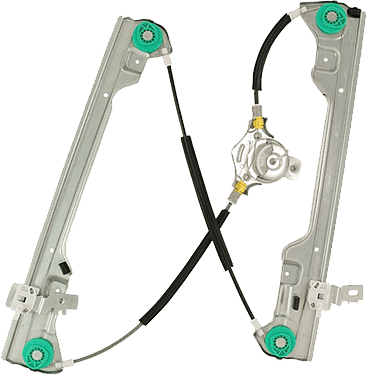
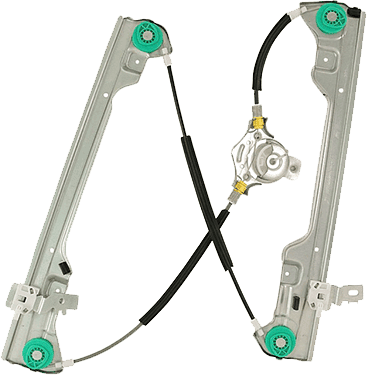
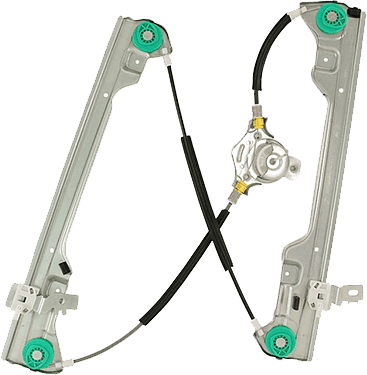
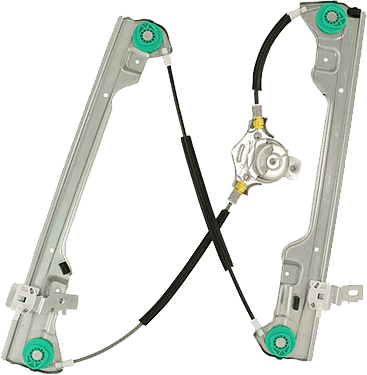
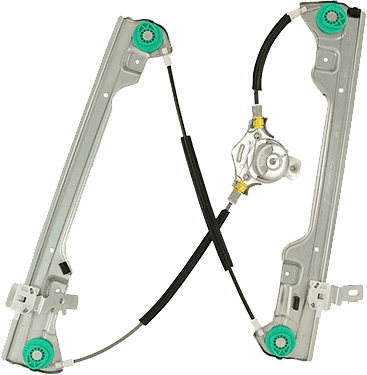
MIRAGLIO 30/1871 Window regulatorOperating Mode: Electronic; Window Regulator: Single Rail Window Lift; Fitting Position: Left Front; Number of Doors: 4; Supplementary Article / Supplementary Info: without electric motor; Switch Function: with comfort function68,99 £*Shipping: 8,45 £Secure redirect to the provider
-
MIRAGLIO 30/954 Window regulatorOperating Mode: Electric; Window Regulator: Single Rail Window Lift; Fitting Position: Left Rear; Number of Doors: 4; Supplementary Article / Supplementary Info: with electric motor; Construction Year from: 10/1997; Model Year to: 200790,49 £*Shipping: 8,45 £Secure redirect to the provider
-
MIRAGLIO 30/967 Window regulatorOperating Mode: Electronic; Window Regulator: Single Rail Window Lift; Fitting Position: Right Rear; Number of Doors: 4; Supplementary Article / Supplementary Info: without electric motor; Switch Function: with comfort function; Model Year from: 200447,99 £*Shipping: 8,45 £Secure redirect to the provider
-
What was the Reich of 1871?
The Reich of 1871, also known as the German Empire, was the political entity that emerged from the unification of various German states under the leadership of Prussia. It was proclaimed on January 18, 1871, in the Hall of Mirrors at the Palace of Versailles following the victory over France in the Franco-Prussian War. The Reich of 1871 marked the beginning of a new era in German history, with Prussian King Wilhelm I being proclaimed Emperor of Germany. This event laid the foundation for the eventual rise of Germany as a major European power. **
-
Is the constitution of 1871 democratic?
The constitution of 1871 in Germany can be considered democratic in some aspects. It established a federal system with a parliament that represented the people through universal male suffrage. However, it also granted significant powers to the emperor and the chancellor, which limited the democratic nature of the government. Additionally, the constitution did not fully guarantee individual rights and freedoms, which are essential components of a democratic system. Therefore, while the constitution of 1871 had democratic elements, it also had significant limitations that affected its overall democratic character. **
-
What happened between 1815 and 1871?
Between 1815 and 1871, Europe experienced significant political and social changes. The period began with the Congress of Vienna in 1815, which aimed to restore stability and order in Europe after the Napoleonic Wars. This led to the establishment of the Concert of Europe, a system of diplomatic cooperation among the major powers. However, the rise of nationalism and the spread of liberal ideas led to revolutions and uprisings across Europe in 1848. These events ultimately contributed to the unification of Italy and Germany in the 1860s and 1871, marking the end of the period with the creation of two new nation-states. **
-
What happened to the constitution of 1871?
The Constitution of 1871 was replaced by the Constitution of 1947. The 1871 constitution was seen as a product of the Meiji Restoration and was heavily influenced by the oligarchy that came to power during that time. The 1947 constitution, on the other hand, was drafted after World War II and was heavily influenced by the Allied Occupation. It introduced significant changes to the structure of the government and the rights of the people, including the establishment of a parliamentary system and the guarantee of fundamental human rights. **
Similar search terms for MIRAGLIO-30-1871-Window
-
MIRAGLIO 30/985 Window regulatorOperating Mode: Electric; Window Regulator: Single Rail Window Lift; Fitting Position: Right; Number of Doors: 2; Supplementary Article / Supplementary Info: with electric motor; Construction Year from: 07/2006103,99 £*Shipping: 8,45 £Secure redirect to the provider
-
MIRAGLIO 30/1174 Window regulatorOperating Mode: Electronic; Window Regulator: Single Rail Window Lift; Fitting Position: Right Rear; Number of Doors: 4; Supplementary Article / Supplementary Info: without electric motor; Switch Function: with comfort function; Construction Year to: 08/200695,49 £*Shipping: 8,45 £Secure redirect to the provider
-
MIRAGLIO 30/1287 Window regulatorOperating Mode: Electric; Window Regulator: Single Rail Window Lift; Fitting Position: Left; Number of Doors: 2.4; Vehicle Equipment: for vehicles with heat insulating glass; Supplementary Article / Supplementary Info: with electric motor73,49 £*Shipping: 8,45 £Secure redirect to the provider
-
MIRAGLIO 30/1294 Window regulatorOperating Mode: Electronic; Window Regulator: Double Rail Window Lift; Fitting Position: Right; Number of Doors: 2; Supplementary Article / Supplementary Info: without electric motor; Switch Function: with comfort function; Construction Year to: 04/2006; Model Year from: 1998144,99 £*Shipping: 1,99 £Secure redirect to the provider
-
Was the Imperial Constitution of 1871 progressive?
The Imperial Constitution of 1871 can be seen as progressive in some aspects. It established a federal structure for the German Empire, which allowed for a degree of regional autonomy and representation. It also granted universal male suffrage, which was a significant step towards democracy at the time. However, it also concentrated a significant amount of power in the hands of the Emperor and the Chancellor, limiting the influence of the elected Reichstag. Overall, while it had some progressive elements, the Imperial Constitution of 1871 also had limitations that hindered its overall progressiveness. **
-
Was the Imperial Constitution of 1871 democratic?
The Imperial Constitution of 1871 in Germany was not fully democratic. While it did establish a federal system with a parliament (the Reichstag) elected by universal male suffrage, it also gave significant power to the Emperor and the Chancellor, who were not elected by the people. The Emperor had the authority to appoint and dismiss the Chancellor, and the Chancellor had the power to appoint and dismiss the federal ministers. Additionally, the upper house of the parliament, the Bundesrat, was made up of representatives appointed by the rulers of the German states, rather than being elected by the people. Therefore, while the constitution did include some democratic elements, it also maintained a significant amount of power in the hands of unelected officials. **
-
Can you easily explain the Constitution of 1871?
The Constitution of 1871 was the second constitution of the German Empire, established after the unification of Germany in 1871. It created a federal system with a strong central government, led by the Kaiser, and individual states with their own governments. The constitution also outlined the rights and responsibilities of citizens, established a bicameral legislature, and defined the powers of the executive, legislative, and judicial branches of government. Overall, the Constitution of 1871 played a significant role in shaping the political structure of Germany during the late 19th and early 20th centuries. **
-
What happened during the German unification in 1871?
During the German unification in 1871, the various independent German states were brought together under the leadership of Prussia. This unification was achieved through a series of wars and diplomatic negotiations, culminating in the proclamation of the German Empire at the Palace of Versailles. Otto von Bismarck, the Chancellor of Prussia, played a key role in orchestrating the unification process. The new German Empire was headed by the King of Prussia, who became the Emperor of Germany, and it marked a significant shift in the balance of power in Europe. **
* All prices are inclusive of VAT and, if applicable, plus shipping costs. The offer information is based on the details provided by the respective shop and is updated through automated processes. Real-time updates do not occur, so deviations can occur in individual cases. ** Note: Parts of this content were created by AI.